


Unlocking Confidence: How Repetition in Familiar Games Enhances Skills

In a world packed with new experiences, familiar games hold tremendous value for building confidence and competence. These games, whether it’s tag in the playground or basketball in the park, can be a powerful tool for children. Through repetition, they refine their skills, enhance social interactions, and develop a lifelong love for physical activity. Let’s explore how these familiar games can unlock confidence and boost skills through the magic of repetition.
The Power of Familiarity
Familiar games bring a sense of comfort and safety. When children engage in activities they already know, they are much more likely to join in with enthusiasm. Studies show that familiarity can decrease anxiety levels in children by about 30%, enabling them to engage more freely.
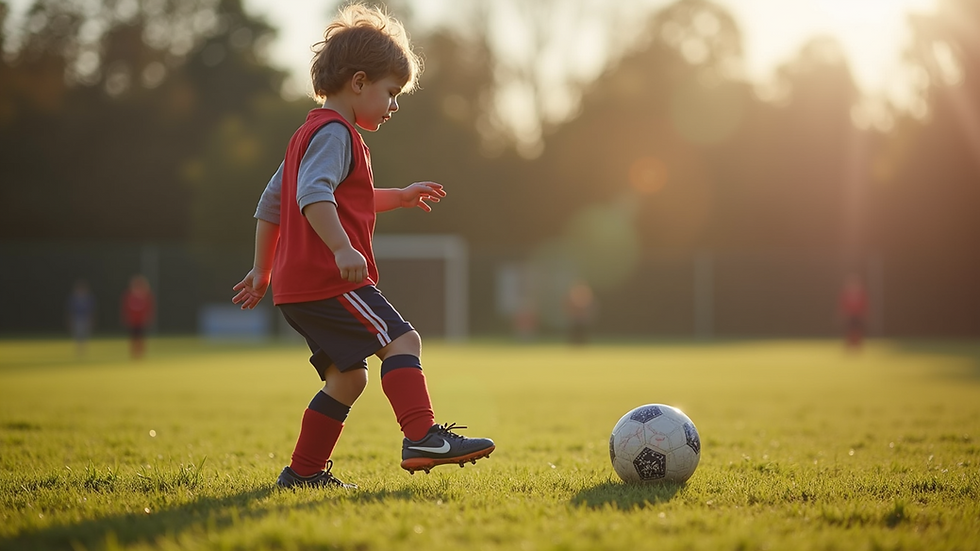
Repetition in these games allows children to practice crucial skills. They develop motor coordination, learn to follow rules, and collaborate with peers. For example, in repeated rounds of soccer, children improve their kicking technique and positional play. This consistent practice cultivates gradual mastery, leading to elevated self-esteem. As their skills improve, they are more willing to tackle new challenges.

Building Confidence Through Repetition
Repetition is vital for developing skills. When children engage in familiar games repeatedly, they encounter small victories that build their overall confidence. For each successful throw, catch, or score, they reinforce their belief in their abilities.
For example, in a program involving soccer, children might practice dribbling multiple times. With each repetition, they improve not just their ball control but also their tactical understanding of the game. According to a study from the American Journal of Play, children who participated in repeated plays showed a 40% increase in skill level within a few weeks.
Furthermore, familiar games encourage social interactions. As children play alongside their peers, they learn vital communication skills, negotiation techniques, and conflict resolution. These social skills, developed through teamwork and competition, are essential as they grow up—both on and off the field.
The Joy of Mastery
The joy of mastery serves as a strong motivator for children. When they perform a skill successfully, it paves the way for new opportunities. Familiar games allow them to display their skills, from scoring goals to making impressive catches or just having fun with friends.
As proficiency grows, children often seek new challenges. A child who excels in soccer may want to try basketball or even lead a game on their own. This eagerness to step beyond their comfort zones is a direct outcome of the confidence rooted in repetition during familiar games. In fact, some kids have been shown to pursue new sports up to 50% more often if they have a strong foundation in familiar games.
Embracing the Journey of Growth
The beauty of familiar games lies in their ability to boost confidence and skill through repetition. When children engage in activities they know and enjoy, they gain crucial skills while having fun. This comfort level enables them to take risks, learn from their experiences, and celebrate achievements.
For parents and educators, it is important to foster an environment where children can participate in familiar games. Encouraging these repetitive activities not only enhances physical capabilities but also supports emotional development. The skills and confidence gained from such experiences will empower children to embrace new challenges with enthusiasm and resilience.
Let’s cherish the magic of familiar games and the remarkable journey of growth they offer!


Comments